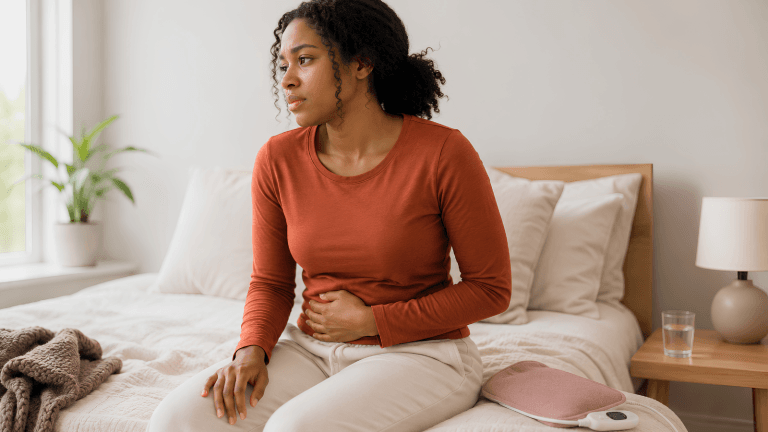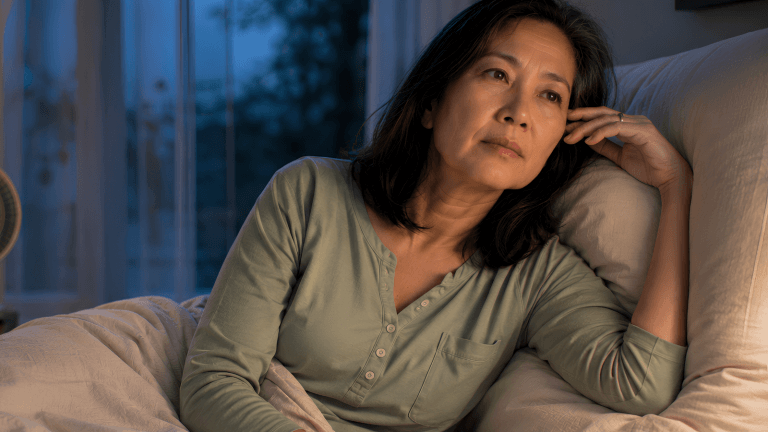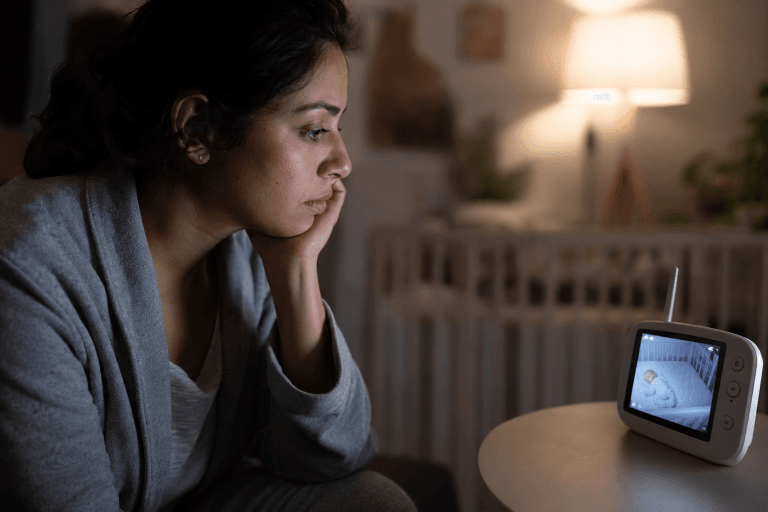
Bringing home a new baby can feel emotional and overwhelming.
Most new parents expect some stress and worry.
But postpartum anxiety feels different.
Your mind may feel stuck in fear all day long.
You may constantly think something bad is about to happen, even when everything seems fine.
According to the Cleveland Clinic, postpartum anxiety is a common mental health condition that affects many women after childbirth.
Table of Contents
ToggleWhat Is Postpartum Anxiety?
Postpartum anxiety is intense worry or fear that happens after giving birth.
It goes beyond normal new-parent concerns.
A mother with postpartum anxiety may feel:
- Constantly on edge
- Unable to relax
- Overwhelmed by racing thoughts
- Extremely worried about the baby’s safety
Some women develop postpartum anxiety right after birth.
Others notice symptoms weeks or months later.
How Common Is Postpartum Anxiety?
Postpartum anxiety is more common than many people realize.
According to a report from Policy Center for Maternal Mental Health, maternal anxiety disorders affect around 1 in 5 women.
Even though it is common, postpartum anxiety is often missed because most postpartum mental health conversations focus mainly on depression.
What Causes Postpartum Anxiety?
There is not one single cause.
Several things can increase the risk of postpartum anxiety.
Hormone Changes
After childbirth, hormone levels drop very quickly.
The Cleveland Clinic explains that these rapid hormone changes can affect mood and stress levels.
Sleep Deprivation
New parents often get very little uninterrupted sleep.
Lack of sleep can make the brain more sensitive to stress and fear.
Personal History of Anxiety
Women who had anxiety before pregnancy may have a higher risk of postpartum anxiety.
Stress and Lack of Support
Stressful life events, difficult births, financial pressure, or limited support at home can also increase risk.
A 2024 study published in European Psychiatry found that previous mental health conditions and low social support were important risk factors for postpartum anxiety symptoms.
Common Signs of Postpartum Anxiety
Constant Worry
One of the biggest signs is nonstop worry.
You may feel unable to stop thinking about:
- The baby getting sick
- Accidents happening
- Something terrible going wrong
- Whether you are a “good enough” parent
The thoughts may continue even after reassurance from others.
Racing Thoughts
Many women describe their minds as constantly busy.
It may feel impossible to “turn off” your thoughts, especially at night.
Trouble Sleeping Even When the Baby Sleeps
This is an important sign.
You may finally have time to rest, but your brain still feels too anxious to sleep.
Physical Symptoms
Postpartum anxiety can also affect the body.
Here are some symptoms that may affect new mothers:
- Racing heart
- Shortness of breath
- Dizziness
- Nausea
- Muscle tension
- Panic attacks
Intrusive Thoughts
One of the most upsetting symptoms of postpartum anxiety can be intrusive thoughts.
These are unwanted thoughts or mental images that suddenly appear in the mind.
A mother may suddenly imagine:
- The baby getting hurt
- Dropping the baby accidentally
- Something terrible happening during sleep
These thoughts can feel frightening.
But having intrusive thoughts does not mean someone wants to harm their baby.
The MGH Center for Women’s Mental Health explains that intrusive thoughts are common in postpartum anxiety and are usually very distressing to the mother experiencing them.
Many women feel ashamed to talk about these thoughts, which is one reason postpartum anxiety often goes untreated.
Checking on the Baby Constantly
Some mothers feel unable to stop checking on the baby.
This may include:
- Repeatedly checking breathing
- Watching the baby constantly
- Feeling afraid to leave the baby with anyone else
- Staying awake to monitor the baby
This level of hypervigilance can become emotionally exhausting.
Irritability
Postpartum anxiety does not always look like fear on the outside.
Sometimes it looks like:
- Snapping easily
- Feeling overwhelmed quickly
- Becoming irritated over small things
- Feeling emotionally “on edge” all day
Chronic stress and anxiety can make emotional reactions feel much stronger.
Postpartum Anxiety vs. Postpartum Depression
These conditions can happen together, but they are not exactly the same.
Postpartum Depression Often Includes:
- Sadness
- Hopelessness
- Low motivation
- Emotional numbness
- Loss of interest in daily life
Postpartum Anxiety Often Includes:
- Fear
- Racing thoughts
- Panic
- Hypervigilance
- Constant worry
The American Counseling Association explains that postpartum anxiety is usually centered more around fear and excessive worry than sadness.
Some women experience both conditions at the same time.
What Is Postpartum OCD?
Postpartum OCD is a specific anxiety-related condition that can happen after childbirth.
It often includes:
- Intrusive thoughts
- Repetitive checking behaviors
- Fear of harming the baby accidentally
- Reassurance-seeking behaviors
The MGH Center for Women’s Mental Health explains that postpartum OCD is different from postpartum psychosis.
Women with postpartum OCD are usually deeply disturbed by their thoughts and do not want to act on them.
Postpartum psychosis is much rarer and is considered a medical emergency.
When Should You Seek Help?
You should speak with a healthcare provider if:
- Anxiety feels constant or overwhelming
- You cannot sleep even when the baby sleeps
- Fear is affecting daily life
- Panic attacks are happening
- Intrusive thoughts feel distressing
- Symptoms last longer than two weeks
You do not need to wait until things feel unbearable before asking for help.
Treatment Options for Postpartum Anxiety
Postpartum anxiety is treatable.
Treatment may include:
- Therapy
- Cognitive behavioral therapy (CBT)
- Support groups
- Medication
- Sleep support
- Stress management strategies
Many women improve significantly with proper support and treatment.
Simple Things That May Help Day to Day
Professional treatment is important, but small daily habits may also help support recovery.
These habits will not “cure” postpartum anxiety, but they may help your nervous system feel calmer over time.
Accept Help From Others
Many new mothers try to do everything themselves.
But recovery is easier with support.
If possible, let trusted people help with:
- Meals
- Laundry
- Baby care
- Cleaning
- Grocery shopping
Even small breaks can help reduce stress.
Prioritize Sleep When You Can
Sleep deprivation can make anxiety much worse.
That is why even short periods of uninterrupted rest can help.
If possible:
- Nap during the day
- Trade nighttime shifts with a partner
- Ask for help so you can rest
Eat Regular Meals
Skipping meals can make anxiety symptoms feel stronger.
Try to eat regularly throughout the day, even if meals are simple.
Foods with protein and healthy fats may help support steadier energy.
Spend Time Outside
Fresh air, sunlight, and gentle movement may help improve mood and stress levels.
Even a short walk outside with the baby can help some people feel more grounded.
Limit Doom-Scrolling
Constantly reading scary parenting stories online can increase anxiety.
Try to notice whether certain social media accounts or forums make your stress worse.
You Are Not a Bad Mother
One of the hardest parts of postpartum anxiety is the guilt many women feel.
Some mothers think:
- “I should be happier.”
- “Other moms handle this better.”
- “Something is wrong with me.”
But postpartum anxiety is a health condition, not a personality flaw.
Struggling does not mean you are failing.
And asking for help is a sign of strength, not weakness.
Final Thoughts
Postpartum anxiety is common, real, and treatable.
Many women silently struggle because they think their fears are just part of becoming a parent.
But constant anxiety, racing thoughts, panic, and overwhelming fear should not be ignored.
The most important thing to remember is this:
You deserve support too.
Taking care of your mental health is part of taking care of your baby.
Healthy Avid shares educational wellness content designed to help women better understand their health. This article is for informational purposes only and should not replace medical advice from your healthcare provider.
Written by: Lauretta Iyamu, PharmD, a Medical Writer and Clinical Researcher focused on women’s health, brain health, and evidence-based wellness communication.
Sources
Healthy Avid uses trusted medical organizations and peer-reviewed studies to support the information shared in our articles. Learn more about our editorial process.
- Cleveland Clinic postpartum anxiety guide — Overview of postpartum anxiety symptoms and causes.
- Maternal mental health fact sheet — Statistics and information about postpartum mental health conditions.
- European Psychiatry postpartum anxiety study — Research discussing postpartum anxiety risk factors.
- Harvard Health article on postpartum anxiety — Overview of symptoms, treatment, and recovery.
- MGH Center for Women’s Mental Health postpartum anxiety guide — Information on intrusive thoughts and postpartum anxiety symptoms.
- American Counseling Association article — Differences between postpartum anxiety and postpartum depression.
- MGH Center for Women’s Mental Health postpartum OCD overview — Information about postpartum OCD and related conditions.