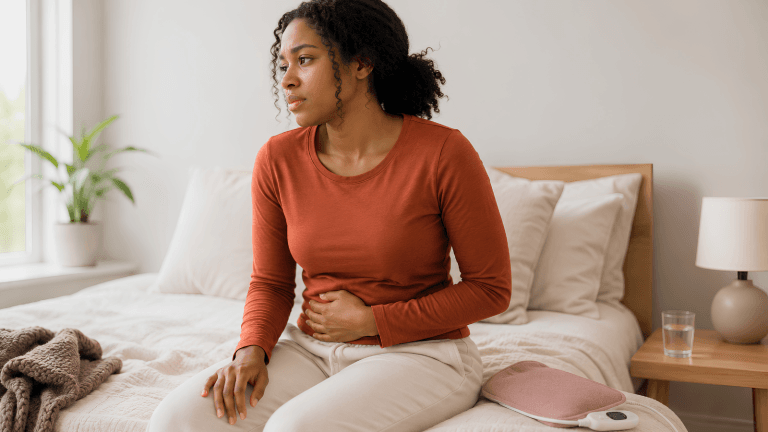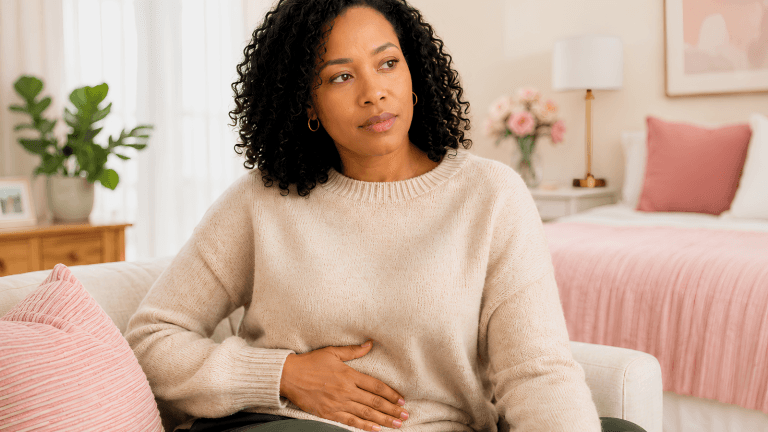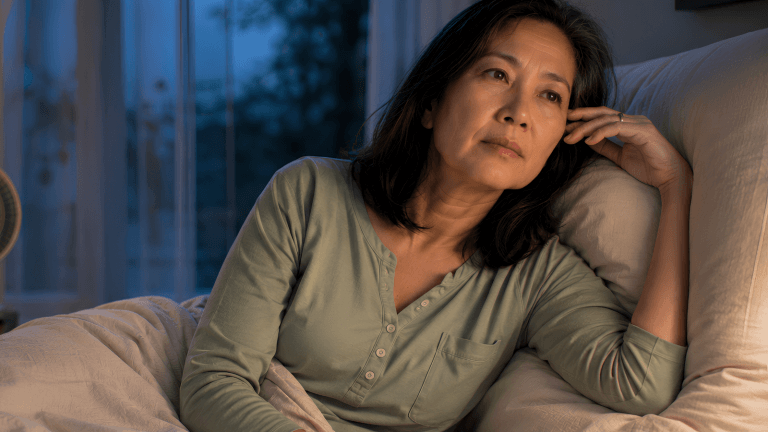
Many women notice something changing during their 40s.
You may suddenly feel:
- More anxious
- More emotional
- Easily overwhelmed
- Restless at night
- Constantly on edge
Sometimes the anxiety seems to appear out of nowhere.
You may even wonder:
“Why do I suddenly feel like this?”
The answer may have a lot to do with hormones.
According to research published in the International Journal of Innovative Research in Medical Science, women in perimenopause have a higher risk of anxiety and mood symptoms because hormone changes affect the brain systems involved in stress and emotions.
Table of Contents
ToggleWhat Is Perimenopause?
Perimenopause is the transition period before menopause.
During this time, hormone levels begin changing and periods may become irregular.
Perimenopause often starts during the 40s, but it can begin earlier for some women.
Common symptoms include:
- Hot flashes
- Night sweats
- Mood changes
- Brain fog
- Sleep problems
- Anxiety
What Is Perimenopause Anxiety?
Perimenopause anxiety is anxiety that appears or becomes worse during the hormonal transition before menopause.
It may feel like:
- Constant worrying
- Racing thoughts
- Feeling “on edge”
- Panic attacks
- Trouble relaxing
- Feeling emotionally overwhelmed
For some women, anxiety during perimenopause is completely new.
Others notice existing anxiety becoming stronger.
Why Hormones Affect Anxiety
Hormones do much more than affect periods and reproduction.
Hormones like estrogen and progesterone also affect the brain.
They help regulate chemicals linked to:
- Mood
- Stress
- Sleep
- Emotional balance
When hormone levels start changing quickly during perimenopause, the brain can become more sensitive to stress and anxiety.
Estrogen and Serotonin
Estrogen helps support serotonin, which is a brain chemical connected to mood and emotional stability.
When estrogen levels drop or fluctuate, serotonin activity can change too.
Research published in Frontiers in Neuroscience explains that estrogen affects important brain systems involved in mood and emotional regulation.
This may help explain why some women suddenly experience:
- Increased worry
- Mood swings
- Sadness
- Irritability
during perimenopause.
Progesterone and Calmness
Progesterone also affects the nervous system.
It helps support calming brain pathways connected to relaxation and sleep.
As progesterone levels decline during perimenopause, some women may feel:
- More restless
- More emotionally reactive
- More anxious
- Less able to relax
This is one reason anxiety and sleep problems often happen together during perimenopause.
Why Anxiety Can Feel Stronger at Night
Many women notice anxiety becomes worse in the evening.
This can happen partly because:
- Hormone shifts affect sleep
- Night sweats interrupt rest
- Fatigue makes stress harder to manage
- Racing thoughts feel louder at night
Poor sleep and anxiety can create a cycle where each one makes the other worse.
How Perimenopause Anxiety Can Feel Different
Perimenopause anxiety does not always feel like the anxiety people expect.
Sometimes it feels more physical than emotional.
Women often describe:
- A constant sense of unease
- Feeling overstimulated easily
- Sudden irritability
- Feeling emotionally “fragile”
- Heart racing for no clear reason
- Feeling unable to calm down
You may also feel less patient and more sensitive to everyday stress.
Things that once felt manageable may suddenly feel overwhelming.
That does not mean you are weak.
Your nervous system is working under changing hormone conditions.
Hot Flashes and Anxiety
Hot flashes and anxiety are closely connected.
A hot flash can cause:
- Sweating
- Rapid heartbeat
- Sudden warmth
- Dizziness
- Feelings of panic
For some women, hot flashes trigger anxiety.
For others, anxiety makes hot flashes feel worse.
The brain systems involved in temperature regulation are also connected to stress and adrenaline responses.
Who Is More Likely to Experience Perimenopause Anxiety?
Some women have a higher chance of developing anxiety during perimenopause.
Risk factors may include:
- Previous anxiety or depression
- PMS or PMDD history
- Postpartum depression history
- High stress levels
- Chronic sleep problems
- Thyroid disorders
Research published in PMC explains that both biological and emotional factors can affect mental health during perimenopause.
What Can Actually Help?
The good news is that perimenopause anxiety is treatable.
Many women feel much better once they understand what is happening and get the right support.
Hormone Therapy
Some women benefit from hormone replacement therapy, also called HRT.
Hormone therapy may help stabilize hormone fluctuations that affect mood and anxiety.
The 2024 NICE menopause guideline supports hormone therapy as one treatment option for menopause-related symptoms in appropriate patients.
Hormone therapy is not right for everyone, so treatment decisions should always be discussed with a healthcare provider.
Therapy and CBT
Cognitive behavioral therapy, also called CBT, can help many women manage anxiety symptoms.
CBT helps people understand and change thought patterns linked to stress and fear.
It may also help with:
- Sleep problems
- Panic symptoms
- Stress management
- Emotional overwhelm
Exercise
Regular movement can help support mental health during perimenopause.
Exercise may help:
- Lower stress hormones
- Improve sleep
- Support mood
- Reduce tension
- Improve energy
Walking, strength training, yoga, and swimming are all good options.
The goal is consistency, not perfection.
Improve Sleep Habits
Sleep is extremely important during perimenopause.
Helpful sleep habits include:
- Keeping the bedroom cool
- Going to bed at regular times
- Limiting caffeine late in the day
- Reducing alcohol intake
- Avoiding screens before bed
Better sleep often helps anxiety feel more manageable.
Nutrition Support
Eating balanced meals may also support mood and energy.
Research often links Mediterranean-style eating patterns with better mental health.
Helpful foods may include:
- Vegetables
- Fruits
- Whole grains
- Fish
- Nuts
- Olive oil
Some women also benefit from discussing nutrients like magnesium or omega-3 fats with their healthcare provider.
Mindfulness and Stress Reduction
Perimenopause can make the nervous system feel more sensitive to stress.
That is why calming practices may help some women feel more balanced.
Helpful options may include:
- Deep breathing
- Meditation
- Gentle yoga
- Journaling
- Spending time outside
- Listening to calming music
Mindfulness practices may help calm the body’s stress response over time.
Even a few quiet minutes each day can help.
Should You See a Doctor?
You should speak with a healthcare provider if anxiety is:
- Affecting your sleep
- Making daily life harder
- Causing panic attacks
- Hurting your relationships
- Affecting work or concentration
- Making you feel emotionally overwhelmed most days
It is especially important to mention if your anxiety started around the same time as:
- Irregular periods
- Hot flashes
- Night sweats
- Mood changes
Many women do not realize these symptoms can all be connected.
You Are Not “Losing It”
One of the hardest parts of perimenopause anxiety is how confusing it can feel.
Many women blame themselves.
They may think:
- “Why can’t I handle stress anymore?”
- “Why do I feel so emotional?”
- “What is wrong with me?”
But perimenopause anxiety is not a personal failure.
Hormone changes can directly affect the brain systems involved in stress, mood, and emotional regulation.
Understanding that connection can help many women feel less alone and less afraid.
Final Thoughts
Perimenopause anxiety is real, common, and treatable.
Hormone changes during the menopausal transition can affect:
- Mood
- Sleep
- Stress levels
- Emotional balance
- Nervous system sensitivity
The good news is that support exists.
Treatment options may include:
- Hormone therapy
- Therapy or CBT
- Better sleep habits
- Exercise
- Nutrition support
- Stress reduction practices
You do not have to simply “push through” severe anxiety alone.
The way you feel deserves attention and care.
Healthy Avid shares educational wellness content designed to help women better understand their bodies and mental health. This article is for informational purposes only and should not replace medical advice from your healthcare provider.
Written by: Lauretta Iyamu, PharmD, a Medical Writer and Clinical Researcher focused on women’s health, brain health, and evidence-based wellness communication.
Sources
Healthy Avid uses trusted medical organizations and peer-reviewed studies to support the information shared in our articles. Learn more about our editorial process.
- Perimenopause anxiety and mood disorder review — Research discussing hormone changes and anxiety risk during perimenopause.
- Estrogen and brain chemistry research — Study examining how estrogen affects serotonin and mood regulation systems.
- Estrogen and perimenopausal depression review — Research discussing hormone changes and emotional health during perimenopause.
- Mental health support during perimenopause — Review exploring integrated approaches to emotional wellness during perimenopause.
- 2024 NICE menopause guideline overview — Guidance discussing menopause symptom treatment options.
- Hormones and neurotransmitter research — Research exploring hormone interactions with stress and mood pathways.
- Menopause and brain chemistry overview — Overview discussing how hormone shifts may affect mood and anxiety.