Chronic Stress Symptoms in Women and How to Manage Them
You may think stress is just part of adulthood.
A busy schedule. Constant notifications. Work pressure. Caring for everyone else before yourself.
But when stress never fully turns off, your body starts changing.
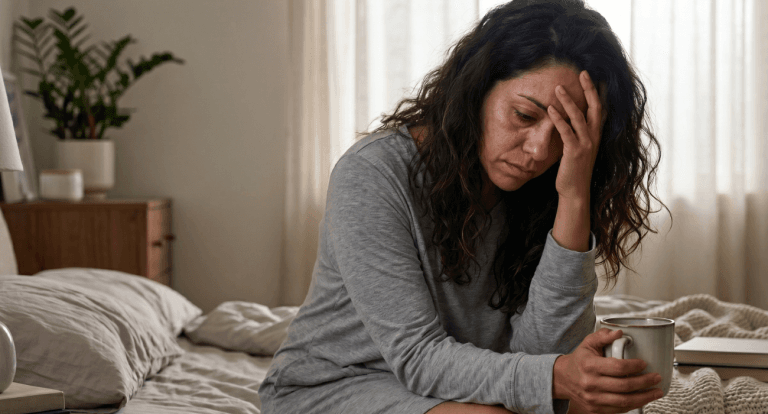
You may feel tired all the time, struggle to sleep, forget simple things, or feel emotionally overwhelmed by small problems. Your digestion may worsen. Your periods may become irregular. Even your immune system can weaken.
This is chronic stress.
Unlike short-term stress, chronic stress keeps your nervous system activated for weeks, months, or even years. Over time, that constant strain affects nearly every system in the body.
And for women, the effects can be even more noticeable because stress hormones closely interact with reproductive hormones like estrogen and progesterone.
According to the American Psychological Association’s Stress in America report, women consistently report higher stress levels than men and are more likely to experience physical and emotional symptoms linked to stress.
The good news is that chronic stress is manageable once you recognize the signs and support your body properly.
Table of Contents
ToggleWhat Is Chronic Stress in Women?
Stress is your body’s natural response to pressure or danger.
During stressful situations, your body releases hormones like cortisol and adrenaline. These hormones help you stay alert and respond quickly.
Normally, this stress response is temporary.
But chronic stress happens when your body stays in a constant state of alert without enough recovery time.
Instead of turning off after the stressful event passes, stress hormones remain elevated. Over time, this can disrupt:
- Sleep
- Hormones
- Mood
- Digestion
- Memory
- Immunity
- Heart health
Women may be especially vulnerable because stress directly affects the hypothalamic-pituitary-adrenal (HPA) axis, which also interacts with reproductive hormones.
This is one reason chronic stress can disrupt menstrual cycles, worsen PMS, and intensify symptoms during perimenopause.
Physical Symptoms of Chronic Stress in Women
Chronic stress eventually becomes physical.
Research published in the International Journal of Molecular Sciences found long-term stress contributes to inflammation, immune dysfunction, and hormonal disruption throughout the body.
Here are the most common physical symptoms women experience.
Persistent Fatigue
One of the biggest signs of chronic stress is exhaustion that does not improve with rest.
You may feel:
- Drained every morning
- Mentally exhausted
- Dependent on caffeine
- Tired even after sleeping
This happens because chronic stress disrupts healthy cortisol rhythms and sleep quality.
Sleep Problems
Many women with chronic stress feel “wired but tired.”
You may struggle to fall asleep, wake frequently during the night, or feel unrested in the morning.
Stress keeps cortisol levels elevated later into the evening, making it harder for the body to fully relax before bed.
Headaches and Muscle Tension
Stress commonly causes:
- Tension headaches
- Neck pain
- Shoulder tightness
- Jaw clenching
- Migraines
When the nervous system stays activated, muscles remain tense for long periods. Over time, this creates chronic body pain and stiffness.
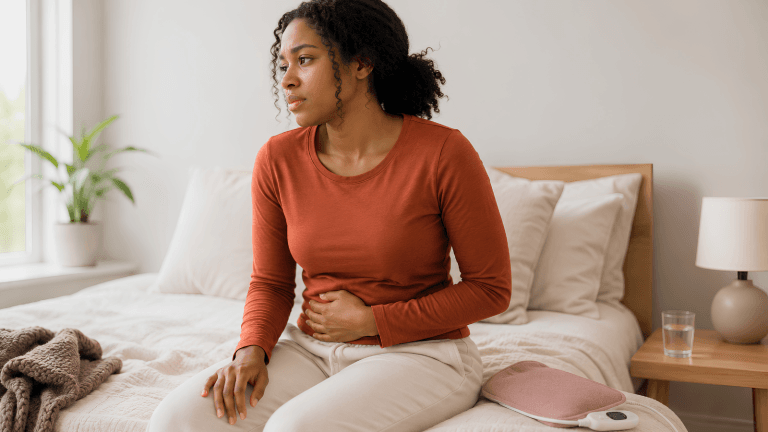
Digestive Problems
The gut and brain are closely connected.
Stress can affect digestion, gut bacteria, and inflammation levels. Many women notice digestive symptoms worsen during stressful periods.
Common symptoms include:
- Bloating
- Constipation
- Diarrhea
- Acid reflux
- Nausea
- IBS flare-ups
Frequent Illness
Chronic stress weakens immune defenses.
Long-term cortisol exposure can make it harder for the body to fight infections and recover properly.
You may notice:
- Frequent colds
- Slow healing
- Increased inflammation
- Feeling constantly run down
Skin and Hair Changes
Stress often appears on the skin first.
Elevated cortisol can worsen:
- Acne
- Eczema
- Psoriasis
- Hair shedding
- Slow skin healing
Women with hormonal acne may notice breakouts become worse during periods of stress.
Irregular Periods and Hormonal Symptoms
Stress hormones directly affect reproductive hormones.
According to the U.S. Office on Women’s Health, chronic stress can disrupt ovulation and menstrual cycles.
This may lead to:
- Irregular periods
- Missed periods
- Worse PMS
- Heavier bleeding
- Increased cramps
Stress can also worsen symptoms of PCOS, thyroid disorders, and perimenopause.
Emotional Symptoms of Chronic Stress in Women
Chronic stress affects the brain just as much as the body.
Many emotional symptoms develop gradually, making them easy to overlook at first.
Anxiety and Constant Worry
Women under chronic stress often feel mentally “on” all the time.
You may experience:
- Racing thoughts
- Overthinking
- Feeling constantly on edge
- Trouble relaxing
- Increased worry
Research in Frontiers in Psychiatry links chronic stress to changes in brain regions involved in emotional regulation and anxiety.
Irritability and Emotional Overload
When your nervous system stays overloaded, patience becomes harder.
You may:
- Snap more easily
- Feel emotionally sensitive
- Cry more often
- Feel overstimulated by noise or demands
This is not weakness. It is often a sign your nervous system has been under pressure for too long.
Brain Fog and Poor Concentration
Stress hormones can affect memory and focus.
Many women report:
- Forgetfulness
- Trouble concentrating
- Mental fatigue
- Difficulty making decisions
- Feeling mentally “foggy”
This can affect work performance, relationships, and confidence.
Low Mood and Loss of Motivation
Long-term stress can also affect dopamine and mood regulation.
You may lose interest in hobbies, social activities, or daily routines that once felt enjoyable.
Some women feel emotionally numb rather than sad.
If these feelings continue, professional support may help. Chronic stress and depression can overlap significantly.
How Chronic Stress Affects Women’s Hormones and Health
Stress and hormones are deeply connected.
When cortisol stays elevated for long periods, the body may prioritize stress hormone production over reproductive hormone balance.
This can contribute to:
- Lower progesterone
- Worse PMS
- Sleep disruption
- Mood swings
- Blood sugar instability
- Increased abdominal fat storage
Chronic stress also increases inflammation, which affects long-term health.
A 2025 review in Comprehensive Physiology found chronic psychological stress plays an important role in cardiovascular disease risk in women.
Over time, chronic stress may increase the risk of:
- High blood pressure
- Heart disease
- Anxiety disorders
- Depression
- Digestive disorders
- Immune dysfunction
This is why ongoing stress symptoms should never be dismissed as “normal.”
Best Ways to Recover From Chronic Stress
You cannot remove every stressful situation from life.
But you can help your nervous system recover and improve how your body responds to stress over time.
Prioritize Sleep
Sleep is one of the most important tools for cortisol regulation.
Helpful habits include:
- Keeping a consistent bedtime
- Limiting screens before bed
- Reducing evening caffeine
- Keeping your room cool and dark
- Getting morning sunlight exposure
Small improvements in sleep can significantly improve stress resilience.
Move Your Body Regularly
Exercise helps lower stress hormones and improve mood.
The Cleveland Clinic recommends regular movement as an effective stress-management tool for women.
Moderate activities work well, including:
- Walking
- Yoga
- Cycling
- Swimming
- Strength training
- Dancing
Consistency matters more than intensity.
Practice Nervous System Regulation
Mindfulness practices help calm the stress response.
Research shows mindfulness-based stress reduction can improve cortisol balance, anxiety, and sleep quality.
Helpful options include:
- Deep breathing
- Meditation
- Journaling
- Stretching
- Yoga
- Prayer or quiet reflection
Even 10 minutes daily can help over time.
Improve Nutrition and Hydration
Chronic stress increases the body’s need for nutrients.
Focus on:
- Lean protein
- Healthy fats
- Fruits and vegetables
- Fiber-rich carbohydrates
- Adequate hydration
Reducing excess caffeine and refined sugar may also help stabilize energy and mood swings.
Some women may benefit from supplements like magnesium or adaptogenic herbs such as ashwagandha. The American Journal of Medicine notes certain adaptogens may support stress resilience, though lifestyle changes remain the foundation of recovery.
Reduce the Actual Stress Load
Stress management is not only about coping better.
Sometimes the real solution is reducing what is overwhelming your nervous system.
That may mean:
- Setting boundaries
- Delegating responsibilities
- Asking for help
- Reducing emotional labor
- Simplifying routines
Constant exhaustion should not feel normal.
When to See a Doctor for Chronic Stress Symptoms
Talk with a healthcare provider if stress symptoms are affecting your daily life or lasting more than a few weeks.
Seek support if you experience:
- Severe fatigue
- Ongoing anxiety
- Depression symptoms
- Irregular periods
- Sleep problems
- Chest pain or palpitations
- Significant mood changes
A doctor may evaluate for conditions that can overlap with stress symptoms, including thyroid disorders, iron deficiency, hormonal imbalances, anxiety disorders, and depression.
If you are experiencing thoughts of self-harm or hopelessness, reach out for immediate support. In the United States and Canada, call or text 988 for crisis support.
Final Thoughts
Chronic stress in women is not simply “being busy.”
It is a real health issue that affects hormones, mood, sleep, digestion, immunity, and long-term wellness.
The symptoms are often gradual, which is why many women ignore them for too long.
But your body is not failing you.
Your symptoms are signals that your nervous system needs support and recovery.
Small daily changes can make a meaningful difference over time. Better sleep, movement, nutrition, boundaries, stress management, and professional support all help the body heal from chronic stress.