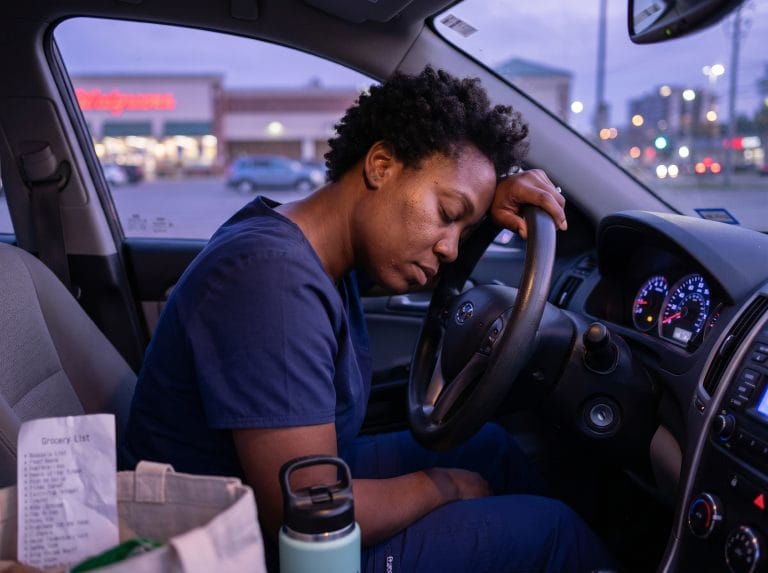
Anxiety can feel exhausting.
Sometimes it feels like your brain never fully relaxes.
You may:
- Overthink everything
- Feel nervous for no clear reason
- Wake up already stressed
- Feel tired but unable to relax
- Worry constantly
For many women, anxiety is not “just in your head.”
Hormones, stress, sleep, blood sugar, and daily pressure can all affect the nervous system.
The good news is that small daily habits can genuinely help calm the body and brain over time.
Not overnight.
But slowly and steadily.
Table of Contents
ToggleQuick Answer: What Habits Help Anxiety Most?
Some of the best calming habits include:
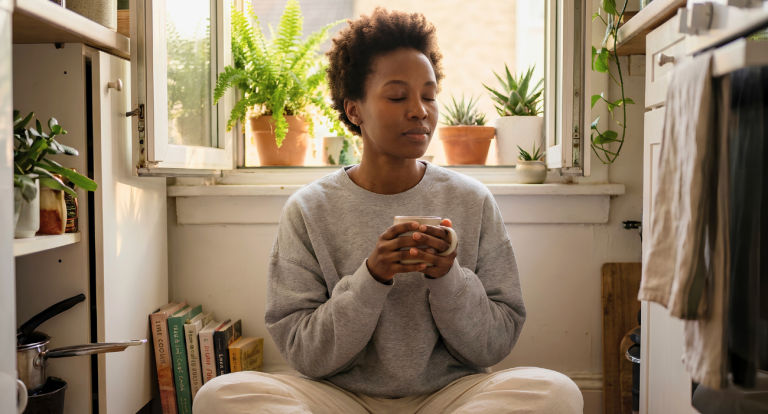
- Slow breathing
- Better sleep
- Walking
- Eating regular meals
- Less caffeine
- Time outside
- Gentle exercise
- Talking to supportive people
These habits help calm the nervous system little by little each day.
Why Anxiety Is Common in Women
Women experience anxiety more often than men.
Hormones are one reason why.
Changes in estrogen and progesterone can affect:
- Mood
- Stress levels
- Sleep
- Emotional sensitivity
Many women notice anxiety gets worse:
- Before periods
- After having a baby
- During perimenopause
- During stressful life changes
Daily stress also adds pressure to the nervous system.
Work, caregiving, money stress, family responsibilities, and lack of rest can keep the body stuck in “fight or flight” mode for too long.
1. Slow Breathing Helps Calm the Brain
Breathing slowly tells the nervous system that you are safe.
Research explained in Scientific Reports found that breathwork may help lower stress and anxiety levels.
One simple method:
- Breathe in slowly for 4 seconds
- Breathe out slowly for 6 seconds
Longer exhales help activate the calming part of the nervous system.
Even five minutes can help.
2. Walking Helps More Than People Think
Walking is one of the simplest anxiety tools available.
It helps lower stress hormones and supports brain chemicals connected to mood.
Walking outside may help even more because nature itself calms the nervous system.
You do not need an intense workout.
Even:
- A 10-minute walk
- Walking after dinner
- Walking while listening to music
- Walking with a friend
can help reduce anxious feelings over time.
3. Sleep Is Extremely Important
Poor sleep makes anxiety worse.
When the brain is tired, it becomes harder to manage stress and emotions.
Women with anxiety often notice:
- Racing thoughts at night
- Trouble falling asleep
- Waking up anxious
- Feeling tired all day
Simple sleep habits may help:
- Going to bed at the same time
- Keeping the bedroom cool
- Reducing phone use before bed
- Getting morning sunlight
Sleep is not a luxury.
It is part of mental health.
4. Eat Regular Meals
Skipping meals can make anxiety feel stronger.
When blood sugar drops too low, the body releases stress hormones like cortisol and adrenaline.
That can cause:
- Shakiness
- Irritability
- Racing heart
- Feeling overwhelmed
- More anxious thoughts
Eating balanced meals regularly may help the nervous system stay calmer.
Helpful foods include:
- Eggs
- Oats
- Yogurt
- Nuts
- Chicken
- Beans
- Fruit
- Vegetables
Protein is especially important for steady energy.
5. Too Much Caffeine Can Increase Anxiety
Caffeine affects the nervous system directly.
For some women, too much coffee or energy drinks can cause:
- Jitters
- Fast heartbeat
- Panic feelings
- Trouble sleeping
- Racing thoughts
Research discussed in Stress and Health explains how the nervous system responds strongly to stress signals and stimulation.
You do not always need to quit caffeine completely.
But reducing it may help if anxiety feels intense.
Especially:
- Drinking coffee on an empty stomach
- Having caffeine late in the day
- Drinking multiple energy drinks
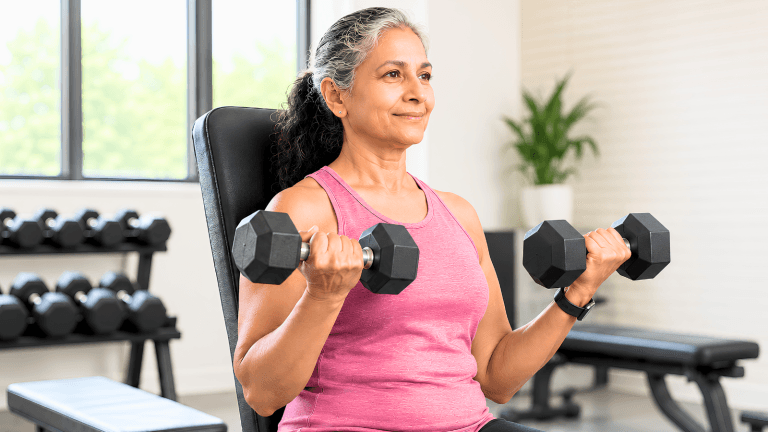
6. Gentle Exercise Helps the Nervous System
Exercise is not only for physical health.
Movement also helps the brain process stress better.
Research explained in Frontiers in Psychology found that mind-body exercises like yoga and tai chi helped reduce anxiety in women.
Helpful calming exercises include:
- Yoga
- Stretching
- Pilates
- Walking
- Dancing
- Light strength training
Some women feel worse after extremely intense workouts, especially when already stressed or exhausted.
Gentle movement often supports the nervous system better during anxious periods.
7. Spending Time Outside Can Calm the Mind
Nature helps the brain slow down.
Even small amounts of outdoor time may help reduce stress.
You do not need a perfect hiking trip.
Simple things count too:
- Sitting outside in the morning
- Walking through a park
- Gardening
- Listening to birds
- Watching the sunset
Fresh air and natural light help the nervous system feel safer and calmer.
8. Alcohol Can Secretly Worsen Anxiety
Alcohol may feel relaxing at first.
But later, it often increases anxiety.
Many women notice:
- Anxiety the next morning
- Poor sleep after drinking
- Feeling emotionally overwhelmed
- Faster heartbeat overnight
Alcohol affects calming brain chemicals temporarily, then the nervous system “rebounds” afterward.
For some women, reducing alcohol noticeably improves anxiety levels within a few weeks.
9. Safe People Help Calm the Nervous System
Humans are not meant to handle stress alone.
Supportive relationships help the body feel safer.
Talking with someone trusted may help lower stress hormones and emotional pressure.
Helpful support may include:
- Friends
- Family
- Support groups
- Therapists
- Faith communities
Even laughing with someone can help the nervous system relax.
10. Your Phone May Be Keeping Your Brain Stressed
Constant notifications and scrolling can keep the nervous system overstimulated.
Many women notice they feel more anxious after spending hours online.
Especially when consuming:
- Negative news
- Social media arguments
- Doomscrolling
- Unrealistic wellness content
- Constant comparison
The brain needs quiet sometimes.
Even short breaks from screens may help reduce mental overload.
Try:
- Turning notifications off for an hour
- Leaving your phone in another room
- Taking social media breaks
- Avoiding screens right before bed
Small boundaries help the brain rest.
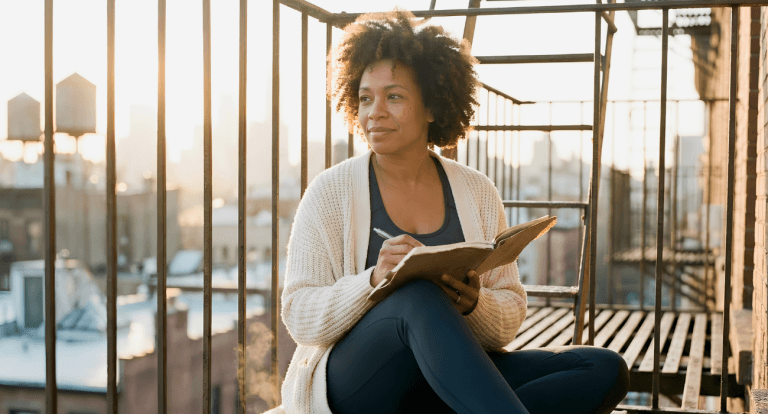
11. Journaling Can Help Untangle Thoughts
Anxious thoughts often move very fast.
Writing things down can help slow the brain enough to process them.
You do not need to write perfectly.
Simple journaling prompts may include:
- “What is bothering me most today?”
- “What do I actually need right now?”
- “What is one thing I can control?”
Sometimes seeing thoughts on paper makes them feel less overwhelming.
12. Anxiety Can Feel Physical Too
Many people think anxiety is only emotional.
But anxiety often shows up physically in the body.
Symptoms may include:
- Tight chest
- Upset stomach
- Headaches
- Muscle tension
- Fast heartbeat
- Sweating
- Feeling shaky
According to the National Institute of Mental Health, anxiety disorders commonly cause both emotional and physical symptoms.
This is one reason anxiety can feel scary and exhausting.
When Should You Get Professional Help?
Sometimes anxiety becomes too overwhelming to manage alone.
You should talk with a healthcare provider or mental health professional if anxiety is:
- Affecting sleep often
- Causing panic attacks
- Making daily life difficult
- Affecting school or work
- Making relationships harder
- Lasting for long periods
Therapy can help.
Medication can help too for some people.
Getting help is not weakness.
It is healthcare.
Final Thoughts
Anxiety is very common, especially in women.
And while there is no single quick fix, small calming habits can genuinely help the nervous system feel safer over time.
Simple things matter:
- Sleep
- Walking
- Eating regularly
- Breathing slowly
- Reducing stress
- Spending time outside
- Asking for support
Healing usually happens little by little.
Not all at once.
And you do not have to become a “perfect” person to feel better.
Healthy Avid shares educational wellness content designed to help women better understand their mental and physical health. This article is for informational purposes only and should not replace professional medical advice or mental health treatment.
Written by Lauretta Iyamu, PharmD — Medical Writer and Clinical Researcher focused on women’s health, brain health, and evidence-based wellness communication.
Sources
Healthy Avid uses trusted medical organizations and peer-reviewed studies to support the information shared in our articles. Learn more about our editorial process.
- Scientific Reports breathwork review — Research discussing breathing exercises and anxiety reduction.
- Stress and Health nervous system review — Research examining how stress affects the nervous system.
- Frontiers in Psychology yoga and anxiety review — Study discussing mind-body exercise and anxiety reduction in women.
- National Institute of Mental Health anxiety disorders guide — Government resource explaining anxiety symptoms and treatment.
- Harvard Health stress management overview — Overview of lifestyle approaches that may help reduce stress and anxiety.
- Mayo Clinic anxiety disorders guide — Medical explanation of anxiety symptoms and causes.