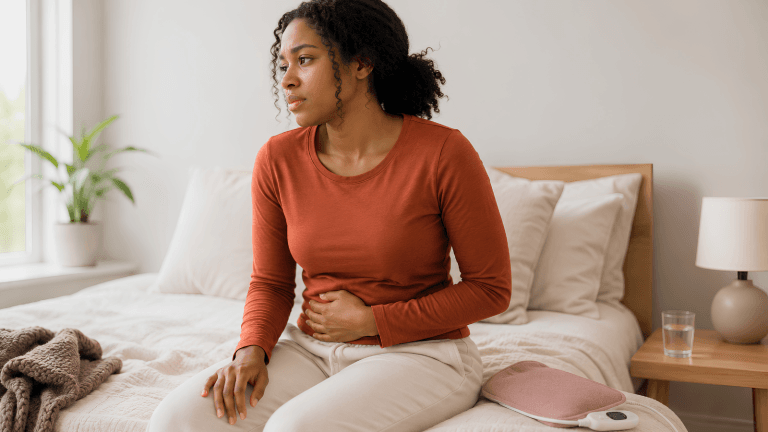
If you have PMOS, you may wonder one thing right away:
“What caused this?”
That is a very normal question.
PMOS, formerly called PCOS, does not have one single cause. Instead, it develops from a mix of factors working together over time.
These can include:
- Genetics
- Insulin resistance
- Hormone imbalances
- Chronic inflammation
- Stress
- Diet and lifestyle
- Environmental chemicals
Some factors are outside your control. Others are things you can improve and manage.
Understanding what triggers PMOS can help you better understand your symptoms and make choices that support your health.
Table of Contents
ToggleQuick Answer: What Triggers PMOS?
PMOS is usually caused by a combination of genetics, hormones, metabolism, lifestyle, and environmental factors.
The biggest drivers often include:
- Insulin resistance
- High androgen hormones
- Chronic inflammation
- Family history
- Stress
- Poor sleep
- Diet high in refined sugar and processed foods
No single factor causes PMOS by itself.
Instead, different triggers affect the body’s hormone and metabolic systems over time.
1. Genetics
Genetics play a big role in PMOS.
If your mother, sister, or close relatives have PMOS or type 2 diabetes, your risk may be higher too.
Researchers believe several genes may increase the chance of developing PMOS.
A 2022 review on PCOS genetics explained that many different genes may affect insulin, hormones, inflammation, and ovulation in PMOS.
But genes are not the whole story.
Having a genetic risk does not guarantee you will develop PMOS. It simply means your body may be more sensitive to certain triggers.
That is important because it means lifestyle and health habits still matter.
2. Insulin Resistance
For many women, insulin resistance is one of the main drivers of PMOS.
Insulin is a hormone that helps move sugar from your blood into your cells.
With insulin resistance, your cells stop responding well to insulin. Your body then makes more insulin to compensate.
High insulin levels can tell the ovaries to produce more androgen hormones like testosterone.
This may lead to symptoms such as:
- Acne
- Extra facial hair
- Irregular periods
- Weight gain
- Trouble ovulating
The National Institute of Child Health and Human Development explains that insulin resistance is common in women with PCOS and can strongly affect hormone balance.
What Can Worsen Insulin Resistance?
Several things can make insulin resistance worse over time, including:
- Diets high in sugar and refined carbs
- Physical inactivity
- Poor sleep
- Chronic stress
- Excess belly fat
But insulin resistance can also happen in lean women with PMOS.
That is why PMOS is not only linked to body weight.
3. Hormone Imbalances and PMOS
PMOS is also connected to hormone signaling problems.
Many women with PMOS have higher levels of androgen hormones, including testosterone.
These hormones can interfere with ovulation and affect the menstrual cycle.
Some women also have changes in hormones called:
- LH (luteinizing hormone)
- FSH (follicle-stimulating hormone)
These hormones help control ovulation.
When they become imbalanced, the ovaries may stop releasing eggs regularly.
That is why many women with PMOS experience irregular periods or fertility challenges.
4. Chronic Inflammation
Inflammation is another important piece of PMOS.
Inflammation is your body’s natural defense system. But when inflammation stays high for long periods, it may affect hormones and metabolism.
Research suggests chronic low-grade inflammation may increase androgen production and worsen insulin resistance.
Women with inflammation-related PMOS may notice symptoms like:
- Fatigue
- Brain fog
- Joint pain
- Digestive problems
- Skin issues
A 2024 cardiovascular guideline review explains that inflammation plays an important role in the long-term health risks linked with PCOS and PMOS.
5. Diet and Lifestyle
Diet and lifestyle do not directly “cause” PMOS on their own.
But they can strongly influence symptoms and hormone balance.
Diets high in:
- Sugary drinks
- Ultra-processed foods
- Refined carbohydrates
- Fried foods
may worsen inflammation and insulin resistance.
On the other hand, balanced meals with protein, fiber, healthy fats, and whole foods may support better blood sugar balance.
Exercise also matters.
Regular movement can help:
- Improve insulin sensitivity
- Lower inflammation
- Support hormone balance
- Improve energy levels
Even walking daily can help support metabolic health.
6. Stress and Sleep
Stress affects hormones more than many people realize.
When stress stays high for long periods, the body releases more cortisol. Cortisol is your main stress hormone.
High cortisol levels may worsen:
- Insulin resistance
- Inflammation
- Hormone imbalance
- Cravings
- Fat storage around the belly
Poor sleep can also affect blood sugar and hunger hormones.
Some women notice their PMOS symptoms get worse during stressful periods or after long-term sleep problems.
7. Environmental Chemicals
Researchers are also studying environmental chemicals called endocrine disruptors.
These are chemicals that may interfere with hormone signaling.
Examples include:
- BPA from plastics
- Phthalates from fragrances and cosmetics
- PFAS from some non-stick cookware and food packaging
A growing amount of research suggests these chemicals may affect insulin, hormones, and ovarian function over time.
You cannot avoid every exposure completely. But some simple changes may help lower your exposure, such as:
- Using glass food containers
- Avoiding microwaving plastic
- Choosing fragrance-free products
- Washing fruits and vegetables well
8. Gut Health
Possibly.
Researchers are studying how gut bacteria may affect hormones, inflammation, and insulin resistance.
An unhealthy gut microbiome may increase inflammation and metabolic stress in the body.
Things that may support gut health include:
- Fiber-rich foods
- Fruits and vegetables
- Fermented foods
- Enough sleep
- Stress management
Research in this area is still growing, but it is becoming an important part of PMOS studies.
What Can You Control?
This is the most important part.
You cannot change:
- Your genetics
- Your family history
- Hormone exposure before birth
But you can influence many daily factors that affect PMOS symptoms.
These include:
- Nutrition
- Sleep
- Exercise
- Stress management
- Blood sugar balance
- Environmental exposures
Small changes done consistently can make a meaningful difference over time.
When to See a Doctor
You should speak with a healthcare provider if you notice symptoms such as:
- Irregular periods
- Acne
- Extra facial hair
- Hair thinning
- Weight changes
- Fertility concerns
- Fatigue
Doctors may recommend blood tests to check:
- Insulin
- Glucose
- Testosterone
- Cholesterol
- Thyroid hormones
- Inflammation markers
Getting answers early may help you better manage symptoms and long-term health risks.
Final Thoughts
PMOS does not have one simple cause.
It develops from a combination of genetics, hormones, metabolism, inflammation, lifestyle, stress, and environmental factors.
That may sound overwhelming at first. But it also means there are many ways to support your health and improve symptoms.
Understanding what triggers PMOS is not about blame.
It is about learning what affects your body so you can make informed choices moving forward.
Frequently Asked Questions
What is the main cause of PMOS?
There is no single cause, but insulin resistance is one of the biggest drivers for many women.
Can stress trigger PMOS?
Stress may worsen hormone imbalance, inflammation, and insulin resistance, which can make symptoms worse.
Does sugar cause PMOS?
Sugar alone does not directly cause PMOS, but diets high in refined sugar may worsen insulin resistance and symptoms.
Is PMOS genetic?
Yes. PMOS often runs in families, and genetics can increase risk.
Can thin women get PMOS?
Yes. Women with normal body weight can still develop PMOS and insulin resistance.
Can lifestyle changes help PMOS?
Yes. Nutrition, movement, sleep, and stress management can all help improve symptoms and metabolic health.
Sources
Healthy Avid uses only high-quality sources, including peer-reviewed studies, to support the facts within our articles. Read our editorial process to learn more about how we fact-check and keep our content accurate, reliable, and trustworthy.
- Teede HJ, Tay CT, Laven JJE, et al. Polyendocrine metabolic ovarian syndrome, the new name for polycystic ovary syndrome: a multistep global consensus process. The Lancet. 2026.
- What causes PCOS?. National Institute of Child Health and Human Development. 2024.
- Azziz R, Carmina E, Chen Z, et al. Polycystic ovary syndrome: etiology, current management, and future therapeutics. PMC. 2023.
- Zhao H, et al. Causal relationships between modifiable risk factors and polycystic ovary syndrome. Frontiers in Endocrinology. 2024.
- Dapas M, Dunaif A. Deconstructing a syndrome: genomic insights into PCOS causal mechanisms and classification. Endocrine Reviews. 2022.
- Anagnostis P, et al. 2023 international evidence-based PCOS guideline update: insights on cardiovascular disease risk. Journal of the American Heart Association. 2024.
- Stener-Victorin E, Deng Q. Epigenetic and developmental programming in PCOS. Nature Reviews Endocrinology. 2024.