
You went to bed at a decent hour. You slept. And you woke up exhausted anyway.
You push through your day running on coffee and willpower.
You cancel plans because you have nothing left.
You sit down for a second and nearly fall asleep.
And when you finally see a doctor, they run some tests and tell you everything looks fine.
But nothing feels fine.
Fatigue is one of the most common health complaints in women.
In fact, research published in the National Institutes of Health shows women report persistent tiredness more often than men.
But here’s the thing, Feeling tired all the time is not just “normal life.”
It’s often your body signaling that something needs attention.
In this article, we’ll break down the common causes of fatigue in women in simple words so you can better understand what may be going on and what to do next.
Why Am I Always Tired?
Most fatigue in women comes from more than one source at once.
The most common causes include:
- Poor sleep quality, even with enough hours in bed
- Chronic stress and invisible mental load
- Heavy periods and low iron or ferritin
- Thyroid problems or hormone changes
- Perimenopause, which can begin in the late 30s or early 40s
- Medications that affect energy
- Irregular eating or not eating enough protein
- Sleep apnea, which often looks different in women
- Underlying health conditions such as diabetes, depression, or autoimmune disease
Many women feel drained because of a combination of sleep, stress, iron loss, and hormones.
But persistent fatigue can also point to something worth checking.
If your tiredness has lasted more than a few weeks and is not improving, speak with your doctor.
Why Does Fatigue Affect Women Differently?
Tiredness affects everyone.
But women face a set of biological and social factors that make persistent exhaustion especially common and especially easy to dismiss.
Monthly periods, especially heavy ones, can gradually deplete iron stores over time.
Iron is essential for carrying oxygen through your blood.
When it drops, your energy drops with it.
Hormonal shifts across a woman’s lifetime add another layer.
Pregnancy, postpartum recovery, perimenopause, and menopause all affect sleep, mood, and energy in measurable ways.
These are not just emotional changes; they are physical ones.
There is also the cognitive load that often goes unacknowledged.
Planning, caregiving, managing the household, tracking everyone else’s needs, this kind of mental labor burns real energy, even when it is invisible to others.
And some conditions, like sleep apnea, can look completely different in women.
Instead of loud snoring, women are more likely to report insomnia, morning headaches, and persistent tiredness.
That makes it easier to miss.
Fatigue in women is not just stress. It is not being too busy.
And it is worth taking seriously.
11 Common Causes of Fatigue in Women
Fatigue is rarely caused by just one thing.
Most women are dealing with a mix of contributing factors at the same time.
Here is what to look at.
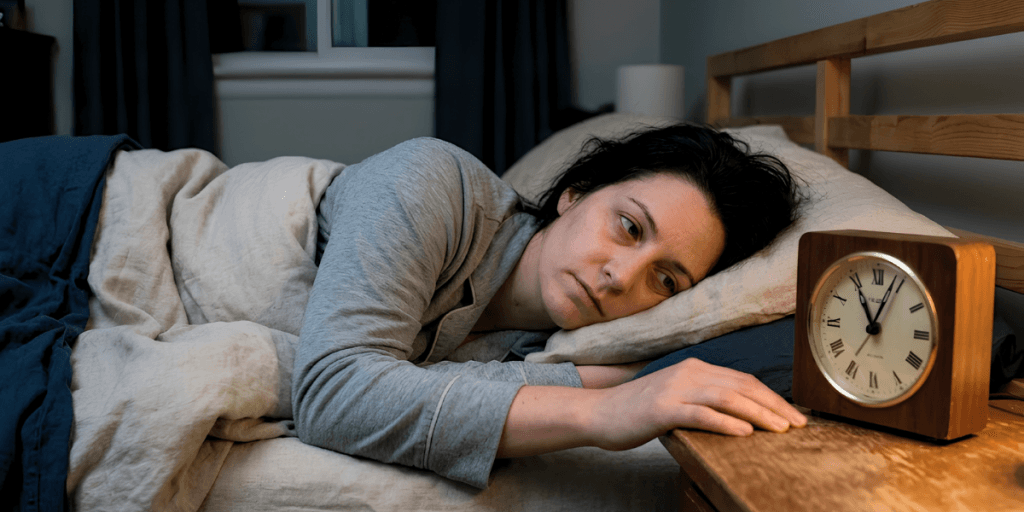
1. Poor Sleep Quality
Getting seven or eight hours in bed does not always mean your body actually recovered.
Sleep quality matters as much as sleep quantity.
You can spend eight hours in bed and still wake up exhausted if your sleep is broken, too light, or constantly interrupted.
Common reasons sleep quality suffers:
- Waking up during the night without fully knowing why
- Stress keeping your nervous system in a low-level alert state
- Late-night screen use delaying the onset of deep sleep
- Mouth breathing, teeth grinding, or restless movement
- Disrupted breathing during sleep that interrupts your sleep cycles without waking you fully
The question is not just whether you slept enough. It is whether your body actually rested.

2. Chronic Stress and Mental Load
Stress does not always feel like anxiety.
Sometimes it feels like being tired before the day even starts.
Chronic stress raises cortisol, keeps your nervous system activated, and quietly drains your reserves over time.
The result is a pattern many women know well: feeling wired and tired at the same time too exhausted to function, but too activated to fully rest.
Mental overload adds to this in ways that are hard to measure.
The planning, the remembering, the managing all of it costs energy, even when it looks like nothing from the outside.
If you feel like you are always running on empty but cannot point to exactly why, stress and cognitive load may be part of the picture.

3. Heavy Periods and Low Iron
This is one of the most common and most overlooked causes of fatigue in women.
Heavy menstrual bleeding is a leading cause of iron deficiency in women of reproductive age.
Iron helps your red blood cells carry oxygen throughout your body.
When iron drops, your cells get less oxygen, and your energy drops with it.
Symptoms that may point to low iron:
- Tiredness that does not improve with rest
- Dizziness or lightheadedness
- Shortness of breath during everyday activity
- Frequent headaches
- Hair shedding
- Feeling cold when others are comfortable
Many women normalize heavy periods without connecting them to how they feel every day.
But if your period soaks through products quickly, lasts longer than seven days, or passes large clots, it may be quietly depleting your iron stores month after month.
Can You Have Low Iron Without Anemia?
Yes, and this is where some women fall through the cracks of standard testing.
Routine blood panels typically check hemoglobin to diagnose anemia.
But ferritin, the protein that stores iron in your body, can fall low before hemoglobin does.
Some women with low ferritin experience significant fatigue while being told their bloodwork looks mostly normal.
Research published in the British Medical Journal found that iron supplementation reduced fatigue in non-anemic women with low ferritin, suggesting iron status may matter even before anemia develops.
This does not mean every tired woman has an iron storage problem. It does mean that if you have fatigue, heavy periods, and related symptoms, asking your doctor about ferritin specifically may be worth it.
4. Thyroid Problems
Your thyroid is a small gland at the base of your neck. It controls how your body produces and uses energy.
When it underperforms, a condition called hypothyroidism, everything slows down with it.
Hypothyroidism is significantly more common in women than in men.
It can develop gradually, which means symptoms build slowly and often get written off as stress or aging before anyone catches them.
Signs that your thyroid may be involved:
- Persistent tiredness that does not improve with sleep
- Feeling cold when others are comfortable
- Unexplained weight gain
- Brain fog or difficulty concentrating
- Mood changes, low motivation, or depression
- Irregular or heavier periods
If you have not had your thyroid checked recently and your tiredness has been going on for weeks or months, it is reasonable to bring up with your doctor.
Hormone Shifts During Your Cycle
Even without a thyroid condition, your hormones naturally shift throughout your menstrual cycle in ways that affect your energy.
Progesterone rises after ovulation and has a mild sedating effect on the body. Estrogen drops in the days before your period.
For some women, these fluctuations are barely noticeable.
For others, they cause real fatigue that follows a predictable pattern each month.
If your tiredness gets worse at a specific point in your cycle particularly in the week before your period; premenstrual syndrome (PMS) or premenstrual dysphoric disorder (PMDD) may be contributing.
You should discuss both with your doctor.
Perimenopause and Fatigue
Most women have heard of menopause.
Fewer know that the transition leading up to it called perimenopause can begin years earlier, sometimes in the late 30s or early 40s.
During perimenopause, estrogen and progesterone levels start fluctuating unpredictably.
This can disrupt sleep, mood, and energy in ways that catch many women off guard.
Common signs of perimenopause-related fatigue:
- Night sweats that wake you up and break your sleep
- Difficulty falling or staying asleep
- Heavier or more irregular periods
- Mood changes, irritability, or increased anxiety
- Daytime tiredness that does not respond to rest
The frustrating part is that perimenopause is frequently overlooked.
If your energy, sleep, and mood have all shifted noticeably and you are in your late 30s or 40s, ask your doctor about perimenopause.
You do not have to wait until your periods stop before you ask.
Sleep Apnea in Women
Sleep apnea is often pictured as a condition that affects middle-aged men who snore loudly.
That picture is incomplete, and it leaves a lot of women undiagnosed.
Women get sleep apnea too.
But the way it shows up tends to look different.
Women are less likely to snore dramatically.
They are more likely to report:
- Waking up feeling unrefreshed after a full night of sleep
- Frequent nighttime waking or insomnia
- Morning headaches
- Daytime fatigue and difficulty concentrating
- Mood changes or increased irritability
Because the presentation is milder, sleep apnea in women is frequently underdiagnosed and undertreated.
If rest never fully restores you no matter how long you sleep, ask your doctor about a sleep study.
Medications That Affect Your Energy
Some medications list fatigue as a side effect.
This is common, well-documented, and easy to overlook, especially if you have been on the same medication for a long time.
Drug classes that may contribute to fatigue include:
- Antihistamines, particularly older, first-generation types
- Some antidepressants, especially in the early weeks or after a dose change
- Beta-blockers, used for blood pressure and heart conditions
- Benzodiazepines or other sedating medications
- Certain hormonal contraceptives in some individuals
Do not stop or adjust any medication on your own.
But if you suspect something you take is affecting your energy, that is a conversation worth having.
A pharmacist can review your full medication list and flag potential contributors without you needing a separate appointment.
Not Eating Enough or Not Eating Regularly
This one rarely feels like a health problem.
It feels like a busy schedule.
Skipping breakfast.
Running on coffee until noon.
Eating lunch late or not at all.
Long gaps between meals that leave blood sugar dipping and energy crashing.
These patterns are common, and their effect on energy adds up over the course of a day.
Low protein intake, poor hydration, and irregular eating even when unintentional can all contribute to fatigue that feels chronic.
A few patterns worth noticing:
- Do you regularly skip meals or go for more than five hours without eating?
- Do most of your meals lean heavily on refined carbohydrates with little protein?
- Do you drink mostly caffeine rather than water throughout the day?
- Do you hit a significant energy crash in the early afternoon?
These are fixable patterns, and addressing them can make a meaningful difference in your baseline energy.
Underlying Health Conditions
Sometimes fatigue is a symptom of something else happening in the body.
Conditions commonly linked to persistent tiredness in women include:
- Type 2 diabetes: fatigue is often one of the earliest signs
- Depression and anxiety: both have physical exhaustion as a core feature, not just a mood one
- Autoimmune conditions: including lupus, rheumatoid arthritis, and multiple sclerosis
- Fibromyalgia: a chronic pain condition closely linked to disrupted sleep and fatigue
- Chronic fatigue syndrome (ME/CFS): a complex, real condition distinct from ordinary tiredness
- Post-viral fatigue: persistent exhaustion that follows an infection, including COVID-19
Most fatigue has simpler explanations.
But if your tiredness is severe, has no clear cause, and has gone on for weeks or months, you should speak with your doctor.
Why You Feel Tired Even After a Full Night of Sleep
Sleep is not a single state.
Your body cycles through stages: light sleep, deep sleep, and REM sleep and it needs to complete those cycles to recover.
If something interrupts those cycles, even briefly, you miss the restorative parts.
Common reasons you wake up tired despite sleeping enough:
- Sleep apnea quietly interrupting your breathing and pulling you out of deep sleep throughout the night
- Stress and a hyperactivated nervous system keeping your body in alert mode even while you sleep
- Night sweats or hot flashes from hormone changes that fragment your sleep cycles
- Heavy meals or alcohol before bed suppressing REM sleep in the second half of the night
- Restless legs which can disrupt sleep without you fully realizing it. Iron deficiency has been linked to restless leg syndrome,
- Medication side effects that affect how deeply you sleep
The answer to why you still feel awful after sleeping is almost always about quality, not quantity.
Your body was in bed. It may not have fully rested.
Signs Your Fatigue Is Worth Checking Out
Fatigue is common.
But some patterns are a signal to follow up with a doctor rather than wait it out.
Consider making an appointment if your tiredness:
- Has lasted several weeks or longer with no clear cause
- Is gradually getting worse, not better
- Is affecting your ability to work, parent, or get through daily tasks
- Comes with dizziness or feeling faint
- Comes with shortness of breath during ordinary activity
- Comes with a noticeably fast or irregular heartbeat
- Is paired with unexplained weight loss
- Comes alongside unusual bleeding such as heavy periods, bleeding between cycles, or other changes
These do not automatically signal something serious.
But they are patterns worth investigating rather than pushing through.
Questions to Ask Your Doctor If You Are Always Tired

Most women leave appointments without asking the questions that matter most.
Going in prepared gets you further than “I have just been really tired lately.”
Here are specific questions worth bringing up:
1. Could heavy periods be part of why I feel so tired?
Ask about iron levels and ferritin specifically not just a standard blood panel.
2. Should my ferritin be checked?
You can have low iron stores before anemia shows up on routine labs.
3. Could this be thyroid-related?
Ask for a full thyroid panel if you have not had one recently.
4. Could a medication I am taking be contributing?
Bring a complete list of everything you take, including supplements and over-the-counter products.
5. Could sleep apnea be part of the problem?
Especially if you wake unrefreshed, have morning headaches, or a partner has noticed changes in your breathing.
6. Could my symptoms be related to perimenopause?
If you are in your late 30s or 40s and your sleep, mood, and energy have shifted, ask directly.
7. What symptoms would make this more urgent?
Knowing the answer helps you monitor your own situation with more clarity.
Simple Ways to Support Your Energy
These will not replace medical care if something underlying is going on.
But they create the conditions your body needs to recover.
1. Eat at regular intervals.
Three balanced meals with enough protein keeps blood sugar stable throughout the day.
Protein supports sustained energy in a way that refined carbohydrates alone cannot.
2. Drink enough water.
Even mild dehydration affects concentration, mood, and how alert you feel.
Most adults need around two liters a day more if you are active.
3. Protect your sleep environment.
A cool, dark room and consistent sleep and wake times support better sleep quality over time.
The goal is not just more hours it is more restorative hours.
4. Cut back on late-night screens.
Blue light from phones and screens delays melatonin production.
Even 30 fewer minutes of screen time before bed can meaningfully shift how quickly and deeply you fall asleep.
5. Move your body consistently.
Regular moderate-intensity exercise improves sleep quality, lowers stress hormones, and supports energy levels even when starting feels hard.
6. Track your symptoms, cycle, and sleep.
A simple log over two to four weeks gives your doctor far more to work with than “I have been tired for a while.”
It also helps you notice patterns you might otherwise miss.
7. Talk to a pharmacist about your medications.
If you suspect something you take may be affecting your energy, a pharmacist can review your full list and flag potential contributors.
8. Build in actual recovery time.
Not as a treat, as a biological necessity. Even short periods of genuine rest have measurable effects on cortisol and energy recovery over time.
When to Seek Medical Help Right Away
Most fatigue does not need urgent attention.
But some symptoms alongside tiredness are a signal to act quickly rather than wait for a scheduled appointment.
Seek same-day or emergency care if you experience:
- Chest pain or pressure
- Difficulty breathing or shortness of breath at rest
- Fainting or near-fainting
- Sudden or severe muscle weakness
- Black or tarry stools, or unusual bleeding these can indicate internal blood loss
- Sudden confusion or difficulty thinking clearly
- A severe headache that feels different from any you have had before
These are not symptoms to monitor at home and revisit next week.
They are symptoms to act on the same day.
The Bottom Line
If you’re always tired, your body is asking for attention.
Fatigue is not just “part of being busy.”
It’s often linked to hormones, nutrition, stress, sleep quality, and underlying health conditions
The key is to listen to your body early.
When you understand the cause, you can take the right steps to fix it.
And in many cases, small changes can lead to noticeable improvements in how you feel day by day.
Frequently Asked Questions
Why am I always tired even after sleeping?
Sleeping enough hours and sleeping well are not the same thing.
If your sleep is broken, too light, or disrupted by stress, hormones, or breathing problems, your body misses the restorative cycles it needs.
Quality matters as much as quantity.
Can heavy periods make you tired all the time?
Yes. Heavy menstrual bleeding is one of the most common and underrecognized causes of iron deficiency in women.
Low iron causes fatigue, dizziness, shortness of breath, and other symptoms that build gradually and often get normalized.
Can you have low iron without anemia?
Yes. Ferritin, the protein that stores iron in your body, can become depleted before hemoglobin drops low enough to register as anemia on a standard blood test.
Some women experience significant fatigue at this stage while being told their results look normal.
Asking specifically about ferritin is worth it if you have ongoing symptoms.
Can hormones cause fatigue in women?
Yes. Thyroid dysfunction, PMS, PMDD, perimenopause, and menopause can all contribute to fatigue.
Hormone-related tiredness often comes with mood changes, sleep disruption, cycle irregularities, and other physical symptoms that are easy to attribute to stress instead.
Can sleep apnea cause fatigue in women?
Yes, and it is underdiagnosed in women because it often presents differently than in men.
Women are less likely to snore loudly and more likely to report insomnia, unrefreshing sleep, morning headaches, and mood changes.
If this sounds familiar, ask your doctor about a sleep study.
What medications can make you feel tired?
Antihistamines, some antidepressants, beta-blockers, benzodiazepines, and certain hormonal contraceptives are among the most commonly reported contributors to fatigue.
If you suspect a medication may be affecting your energy, speak with your doctor or pharmacist before making any changes.
Is fatigue common in perimenopause?
Very. Sleep disruption from night sweats, unpredictable hormone shifts, heavier periods, and mood changes all converge during perimenopause to make fatigue one of its most consistent features. Many women do not realize this transition can begin in the late 30s or early 40s well before periods stop.
When should I be concerned about fatigue?
Fatigue that has lasted several weeks, is getting progressively worse, or comes with symptoms like shortness of breath, dizziness, chest discomfort, or unusual bleeding is worth evaluating with a doctor. If something feels off and rest is not helping, that is enough reason to follow up.
This article is for educational purposes only and does not replace medical advice. Always speak with a qualified healthcare provider before starting supplements, especially if you are pregnant, trying to conceive, or taking medications.